Quick answer: Yes. Flying through clouds is routine for appropriately equipped aircraft operated by qualified pilots under instrument flight rules. But not every cloud is safe to enter: thunderstorms, icing, and other hazards can require avoiding or leaving affected areas.
How can pilots fly without seeing outside?
Inside a cloud, pilots may lose their view of the horizon and surrounding terrain. Instead of judging the airplane's position by looking outside, they use flight instruments to monitor attitude, altitude, airspeed, and direction.
During instrument flight, pilots also use navigation systems, published procedures, and applicable air traffic control clearances. This allows a properly equipped aircraft and qualified crew to operate when outside visibility is limited.
Instrument flying requires training, proficiency, and careful weather decisions. The FAA warns that unintentionally entering instrument conditions during a visual flight can be dangerous.
Are all clouds safe to fly through?
No. An ordinary cloud layer is not the same as a thunderstorm. Thunderstorms can produce severe turbulence, hail, lightning, wind shear, and powerful updrafts or downdrafts.
The FAA advises avoiding thunderstorms rather than attempting to fly through them. Hazardous turbulence can also extend beyond the visible storm, so pilots consider weather radar, forecasts, reports, and appropriate separation from convective activity.
The important question is not simply whether a cloud blocks the view. It is what weather conditions exist inside and around it.
What about ice inside clouds?
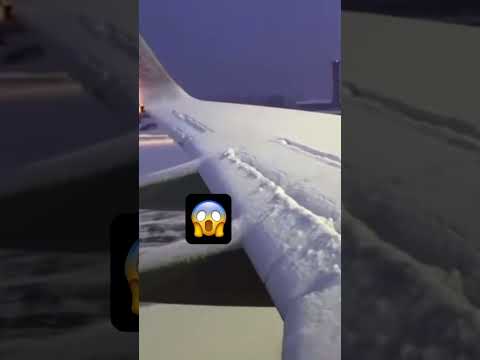
Some clouds contain supercooled liquid water droplets. When these droplets strike an aircraft, they can freeze onto exposed surfaces under suitable conditions.
Ice accumulation can change the airflow over a wing, increase drag, and reduce aircraft performance. The FAA identifies in-flight icing as a significant aviation safety hazard.
Pilots evaluate icing forecasts and observations and follow the aircraft's approved limitations and procedures. Some aircraft have equipment designed to prevent or remove certain types of ice, but this does not make every icing condition safe.
Can a small airplane fly into clouds?
Some small airplanes can legally and safely operate in clouds, but only when the pilot, aircraft, and flight operation meet the applicable instrument-flight requirements.
Under visual flight rules, pilots must comply with visibility and cloud-clearance minimums that depend on the airspace and altitude. A basic visual-flight operation does not automatically authorize entering a cloud.
An instrument rating by itself is not a substitute for the required aircraft equipment, pilot currency, operational authorization, or sound weather judgment.
Frequently asked questions
Do passengers need to worry when flying into clouds?
Airline flights routinely pass through ordinary cloud layers. Pilots monitor conditions and use established procedures to avoid or manage weather hazards. A cloud alone is not necessarily a sign of danger.
Can pilots see the runway through clouds?
Not always. Instrument approaches guide aircraft toward the airport while outside visibility is limited. Whether a landing may continue depends on the applicable minimums and required visual references, with specific rules for certain low-visibility approaches.